
A standard walker is better when you need maximum stability and have to lean your weight on the device, since you lift and place it with each step. A rollator is better when you can walk steadily but want wheels, a seat, and hand brakes for longer outings. The right choice depends on your balance, not your age.
Walker vs. Rollator: The Quick Answer
These two devices look similar but solve different problems. A walker (sometimes called a standard walker or a Zimmer frame) has four rubber-tipped legs and no wheels, so you pick it up and move it forward with each step. A rollator has three or four wheels, hand brakes like a bicycle, and usually a padded seat. If you need something to truly bear your weight, a walker wins. If you need something to steady you while you keep moving at a normal pace, a rollator usually wins.
There’s no universal answer, which is why this gets asked so often. The honest way to decide is to look at your actual walking pattern, where you’ll use the device most, and what your doctor or physical therapist has observed about your balance.
What a Walker Does Best
A standard walker is the most stable mobility aid that doesn’t require wheels. Because you lift it slightly off the ground and set it down in front of you before stepping, it never rolls away from you. That makes it the right choice after a hip or knee surgery, after a fall, or any time a clinician says you need something you can truly lean your full weight into.
Some walkers have two front wheels and two rear glides, a middle-ground design that lets you push rather than lift while still offering a stable base. These are worth asking about if lifting a standard walker feels like too much effort but you still need more support than a rollator provides.
What a Rollator Does Best
A rollator is built for people who can walk under their own power but want extra steadiness, a place to rest, and a bit of independence on longer outings. The wheels mean you roll it forward instead of lifting it, which is easier on the shoulders and wrists and lets you keep a more natural walking rhythm. Most rollators fold flat for the trunk of a car, come with a basket or pouch for groceries or a water bottle, and include a seat with a backrest so you can rest mid-errand without finding a bench.
The tradeoff is that a rollator isn’t meant to hold your full body weight the way a walker is. If you lose your balance and lean hard on a rollator, it can roll out from under you unless the brakes are engaged. That’s the single most important safety difference between the two.
Key Differences That Actually Matter
Stability vs. Speed
Walkers win on raw stability because they don’t move until you move them. Rollators win on speed and comfort because they roll with you, which means less energy spent and a more natural gait over distance. If you tire quickly or get winded, that seat on a rollator can be the difference between finishing a walk and turning back early.
Folding and Storage
Both fold, but rollators tend to be bulkier because of the seat and larger wheels. If you’re working with a small car trunk or a tight apartment entryway, measure the folded dimensions before you buy either one.
Price Range
Basic folding walkers typically start around $30 to $50. Walkers with front wheels run a bit more. Rollators with a seat, basket, and hand brakes generally run $80 to $200 or more, depending on the frame material and features like all-terrain wheels. Medicare and supplemental insurance sometimes cover part of the cost of durable medical equipment with a doctor’s order, so it’s worth asking your plan before paying out of pocket.
Who Should Choose a Walker
A standard walker tends to be the better fit if any of these sound like you: you’ve had a recent fall and your doctor wants maximum support while you rebuild strength, you’re recovering from hip, knee, or back surgery, you have significant balance issues that mean you genuinely need to lean your weight into the device, or you mostly move short distances indoors, like from the bedroom to the kitchen. If grip strength or shoulder pain makes lifting a standard walker hard, ask about the two-wheel version before ruling walkers out entirely.
Who Should Choose a Rollator
A rollator tends to be the better fit if you can walk steadily on your own but want backup, you’re active outside the home and go on walks, to appointments, or run errands, you want to sit down periodically without searching for a bench, or you want to carry small items without using your hands. Many people who start with a walker after surgery eventually graduate to a rollator once their strength and balance improve, so it’s worth revisiting the question every few months rather than assuming the first device you got is the one you’re stuck with.
How to Decide: Questions to Ask
Before buying either one, it helps to answer a few honest questions. Can you stand unsupported for 30 seconds without feeling wobbly? If not, a walker is likely the safer starting point. Do you get tired walking more than a block or two? If so, a rollator’s seat solves a real problem. Will you use this mostly indoors on carpet, or outdoors on sidewalks and uneven pavement? Rollators with larger wheels handle outdoor terrain better than small-wheeled models. And have you talked to a physical therapist or your doctor about your gait? A short in-office evaluation can settle the question better than any online guide, including this one, because they can actually watch how you walk and lean.
Home layout matters too. If your hallways are narrow or you have a lot of furniture to navigate around, measure the folded and unfolded width of any device before you buy. The same goes for stairs: neither a walker nor a rollator is meant to be used on stairs, so if stairs are a daily obstacle, that’s a separate conversation worth having, including whether a stairlift makes more sense for your home. Our plain-English guide to stairlift costs walks through what installation typically runs if that’s part of your bigger picture.
Making the Home Around You Match the Device
Picking the right mobility aid is only half the equation. A rollator or walker works best in a home that’s set up to support it: clear pathways, grab bars where you need extra stability, and good lighting so you can see obstacles before you reach them. Our Home Safety and Accessibility storefront gathers vetted products for exactly this, from grab bars to fall-detection systems, and it’s worth a look alongside any mobility purchase. If falls or balance are part of why you’re considering either device in the first place, a medical alert system is a reasonable backup to have in place too, especially if you spend time alone.
Balance and leg strength aren’t fixed. Simple, low-impact strength and balance routines can genuinely change which device you need over time, and sometimes whether you need one at all. The Fitness and Physical Well-Being storefront has resources built around exactly that kind of gentle, consistent movement, which the National Institute on Aging also points to as one of the most reliable ways to maintain balance and independence as you get older.
Where to Start Looking
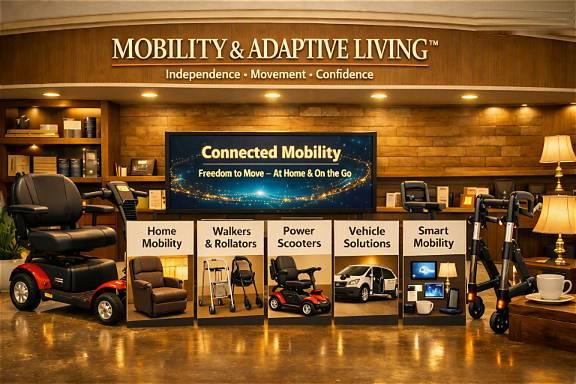
If you’re ready to compare actual models rather than just the two categories, our Mobility and Adaptive Living storefront gathers vetted walkers, rollators, and other adaptive gear in one place, reviewed before they earn a spot rather than pay-to-play. You can also read more background on the two device types at Wikipedia’s overview of rollators if you want the broader technical picture.
Whichever way you lean, don’t guess. Try before you buy if a store or medical supply shop lets you, confirm the handle height adjusts to your wrist crease when your arm hangs at your side, and revisit the decision if your balance or strength changes. The goal isn’t the fanciest device, it’s the one that keeps you moving confidently through your actual day.
Want more plain-English guides like this one sent straight to your inbox twice a month? Sign up for the Prime Life Magazine newsletter and we’ll do the research so you don’t have to.
Frequently asked questions
Can a rollator tip over if I lean on it too hard?
Yes, if the brakes aren't locked. Because a rollator rolls on wheels, leaning your full weight into it without engaging the brakes can cause it to roll out from under you. That's why rollators work best for people who are steady on their feet and just want extra support, not people who need to bear weight on the device itself.
Will Medicare or insurance pay for a walker or rollator?
Sometimes, when a doctor documents medical necessity and the item is classified as durable medical equipment. Coverage and out-of-pocket costs vary by plan, so check with your specific Medicare plan or supplemental insurance before buying, and ask your provider for the paperwork you'd need to file a claim.
Is it normal to switch from a walker to a rollator later?
Very normal. Many people start with a standard walker after surgery or a fall because it offers more stability, then move to a rollator once their strength and balance improve and they want more speed and a seat for longer outings. Reassess every few months rather than assuming your first device is permanent.
What handle height should I look for on either device?
The handles should sit roughly at your wrist crease when your arm hangs naturally at your side and your elbow is slightly bent, around 15 to 30 degrees. Too high or too low forces you to hunch or overreach, which actually increases fall risk, so adjust the handles before your first real walk with it.
Can I use a walker or rollator on stairs?
No, neither is designed for stairs, and trying to use one on steps is a common cause of falls. If stairs are a regular obstacle at home, that's worth addressing separately, whether through a stairlift, a ramp, or rearranging which floor you use most, rather than relying on a mobility aid built for flat ground.